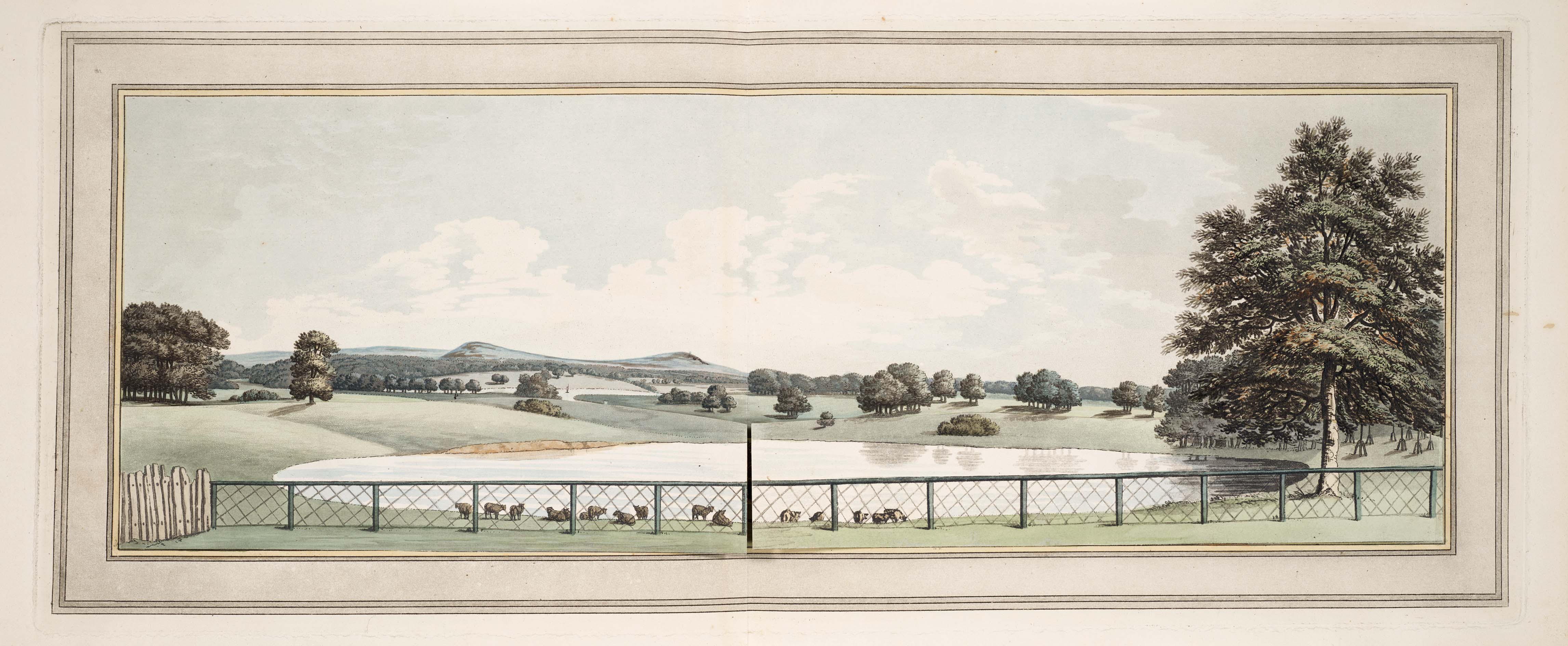
In late-18th and early-19th century Britain, popular interest in "scenes" that exceed or lie beyond the everyday world was heightened by factors such as the emergence of London as Europe's first world-city; James Cook's and George Vancouver's voyages of discovery, which completed in outline the modern map of the globe; and improvements in transport and communication technologies, which brought the distant into the orbit of the near. The consequent appetite for large scenes, evident in the cult of the sublime, was met in part by new virtual-reality technologies—most notably the Eidophusikon, Panorama, Moving Panorama, and Diorama—and an entertainment industry based on them.